Bayshore Estates Lock ServicesService bulletin 1 of 3
Lock Replacement & Upgrade: inside the visit
A replacement lock has to fit holes that already exist, and that is where the visit begins.
Barrie, Ontario · Locksmith · open 24/7
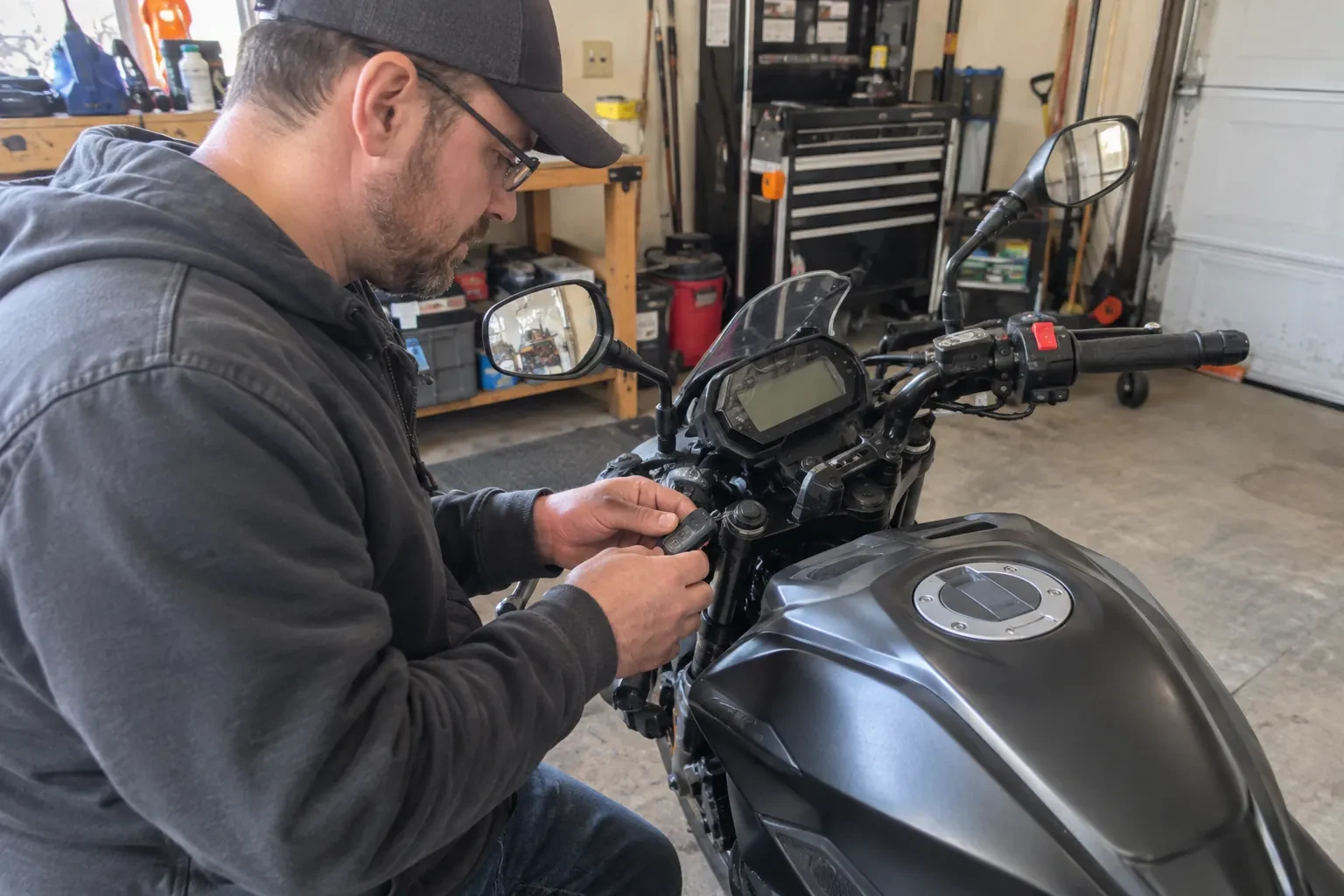
A replacement lock has to fit holes that already exist, and that is where the visit begins. The locksmith measures the backset, the distance from the door edge to the centre of the bore, which on most doors is 60 or 70 millimetres, checks the cross-bore diameter and edge-bore size, notes door thickness and handing, and looks at the strike cut-out. Most residential hardware is made to these standard preparations, so the new lock usually drops into place with no new drilling. Where a mortise lock or a thick door departs from the norm, filler plates, extension kits or a careful new bore bring the door up to standard.
Who is asking for the change
The first check is about the person, not the door. An owner can change any lock on their home. A tenant who wants new hardware on the unit door needs the landlord's agreement, and a landlord who changes a lock while a tenant lives there hands over new keys. The locksmith asks which situation applies and, where paperwork helps, looks at identification, a deed, a lease or a property-management note. It takes a minute and it means the new lock goes on with everyone who has a stake in the door knowing about it, which is exactly how a lock should start its working life.
Adapting older and unusual doors
Not every door is a standard modern slab. A century home with a mortise lock may keep its case and get a new cylinder and strike, or take a filler plate that lets a cylindrical deadbolt sit where the old case was, without hacking at the original stile. A door thicker than 45 millimetres gets extended spindles and screws. A sliding patio door gets a replacement mortise hook lock or a keyed surface bolt sized to the rail. Steel and fibreglass doors are drilled only with the right bits and a jig, and a new deadbolt above an existing knob is bored with a template so it sits square.
A smart lock with its backup arranged
A keypad or smart deadbolt leaves the visit with codes set for each person, auto-lock and alerts configured, and any phone pairing confirmed while the locksmith is there to check it. You are shown the low-battery signal so you recognise it, and the type of battery the maker calls for. The mechanical override key is the piece to look after: keep it on a keyring or with a neighbour rather than inside the home it opens. A second person's code is set up before the locksmith leaves, so a flat phone or a forgotten code is never a reason to stand on the porch.